
WhatsApp Business Integration for UK Laundry Shops - What to Know in 2026
WhatsApp Business Integration for UK Laundry Shops - What to Know in 2026




One of the first questions UK laundry and dry cleaning business owners ask when exploring new technology is simple: what is it going to cost me? Yet finding a straight answer online is surprisingly difficult. Most software providers bury their pricing behind demo requests, and the figures you do find rarely reflect the full picture once setup fees, transaction charges, and add-on costs are included.
This guide cuts through the noise. It breaks down the real cost of laundry management software UK businesses are paying in 2026, explains what drives price differences between platforms, and helps you understand what represents genuine value versus what looks affordable on the surface but costs far more over time.
Whether you are investing in your first laundry POS system or upgrading from a platform that has outgrown your needs, use this as your definitive pricing reference.
Laundry SaaS platforms - cloud-based software delivered on a subscription basis - dominate the market in 2026. Understanding the different structures helps you compare like for like.
The most common model. You pay a fixed monthly fee for access to the platform, typically tiered by the number of users, locations, or features included. Entry-level plans from generic platforms start around 20 to 40 pounds per month, but these rarely include the specialist features a dry cleaning or laundry operation requires.
Purpose-built laundry management software UK platforms with full functionality - including garment tracking, a branded laundry delivery app, automated notifications, and a connected laundry booking system - typically range from 99 to 299 pounds per month depending on your scale and service mix.
Some platforms charge a percentage or flat fee on every order processed. This model appears attractive at low volumes but becomes expensive quickly as your business grows. A platform charging one percent per transaction on 30,000 pounds of monthly revenue costs 300 pounds in fees alone, before your subscription is included. Always calculate your projected transaction cost at current and target revenue levels before committing.
Less common today but still used by some older dry cleaning software providers. A one-time licence fee - often between 1,000 and 5,000 pounds - buys you the software outright, with an annual support and update fee on top. The upfront cost appears high but can represent better long-term value for established businesses with stable workflows and no immediate need for frequent feature updates.
Two platforms can charge similar monthly fees and deliver vastly different value. These are the variables that justify premium pricing.
Generic retail POS software adapted for laundry use will always be cheaper than purpose-built best laundry software. But the gap in capability is significant. Garment-level tracking, photographic condition records, specialist care instruction management, and integrated driver dispatch are not available on generic platforms at any price tier.
A white-label branded laundry delivery app for iOS and Android is a high-value asset. Building one independently costs between 15,000 and 40,000 pounds. Platforms that include a branded app within their monthly subscription fee are delivering exceptional value relative to the development cost of the same capability built from scratch.
Some platforms go beyond software and include access to laundry marketing services UK tools - automated review generation, postcode-targeted paid campaigns, loyalty programmes, and customer win-back sequences. These capabilities have direct revenue impact and should be factored into your cost-per-acquisition calculation, not treated as an optional extra.
Price only makes sense in the context of return. Use this framework to assess any platform you are considering.
Identify your current weekly order volume and average order value
Estimate the percentage increase in orders a delivery service and online laundry booking system would generate based on comparable UK operators reporting 25 to 40 percent growth
Calculate the admin hours saved each week by automation, valued at your realistic hourly cost
Add the customer retention improvement value by estimating reduced churn among delivery customers
Compare this combined figure against the monthly platform cost
For most UK laundry businesses processing more than 200 orders per week, a fully featured platform pays for itself within eight to twelve weeks of launch.
Choosing the cheapest option rarely saves money. Switching platforms six months later because the first choice lacked critical features means paying twice for setup, data migration, and staff retraining. The operators with the strongest returns in 2026 made their decision once, chose well, and built on a stable foundation from day one.
BestatLaundry offers UK dry cleaners and laundromats transparent, competitive pricing that includes a fully branded laundry delivery app, integrated dry cleaning software, a connected laundry POS system, and dedicated laundry marketing services UK support - all built exclusively for the UK market with no hidden transaction fees.
Visit bestatlaundry.com to book your free demo today. Get a clear, personalised cost breakdown for your specific operation and see exactly what your return on investment looks like before you spend a penny.
WhatsApp Business Integration for UK Laundry Shops - What to Know in 2026
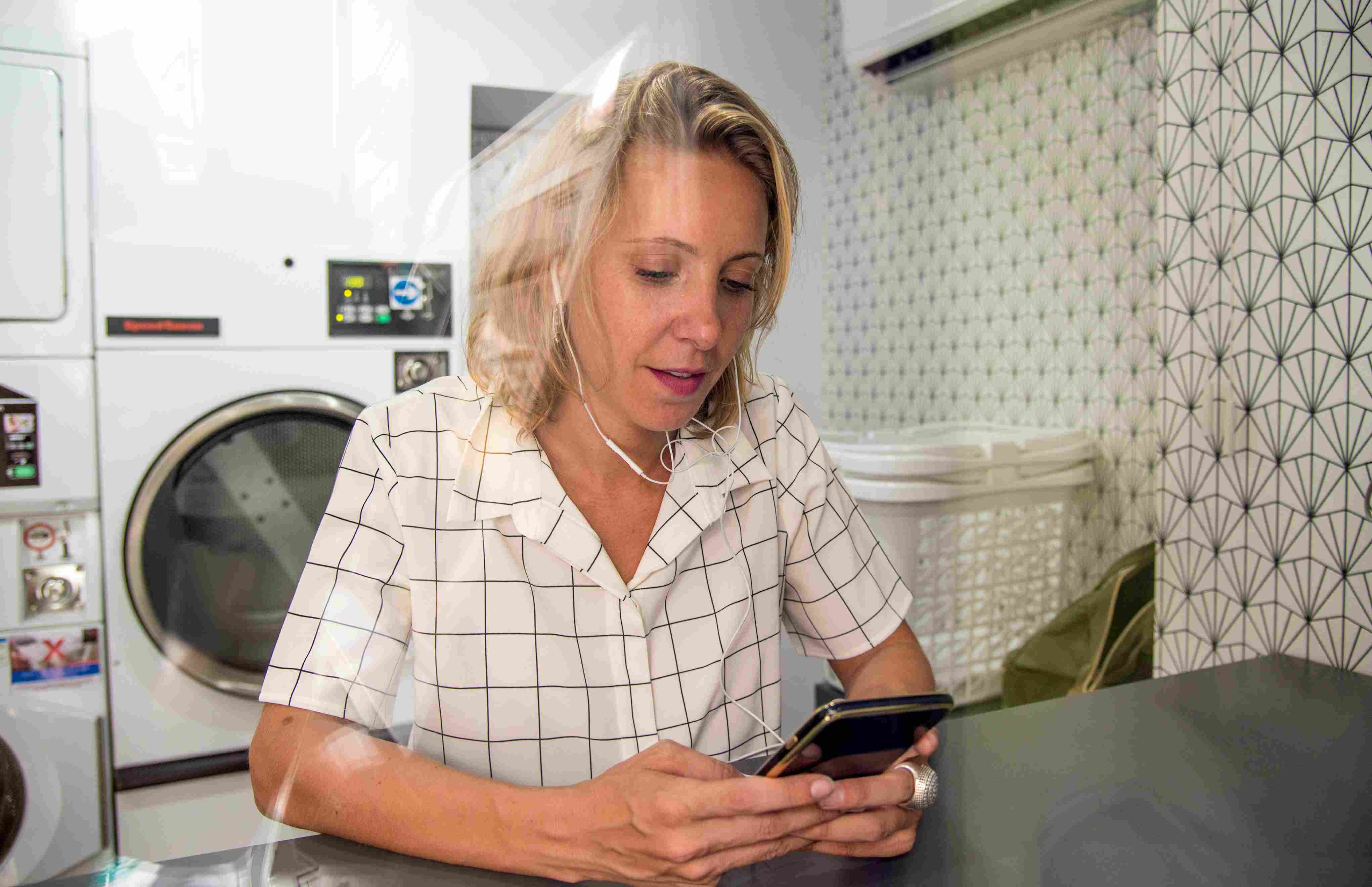
Best Laundry Software with WhatsApp Notifications for UK Shops

Barcode and Tag Printing for Laundry Software - What UK Dry Cleaners Must Know in 2026